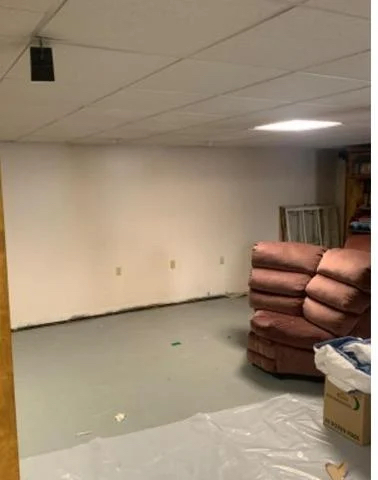
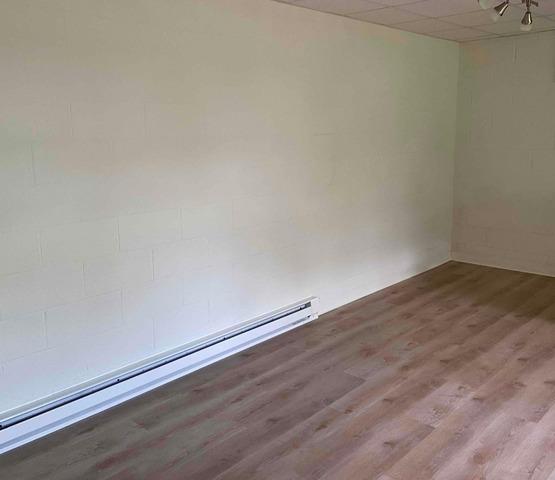
Water damage describes a large number of possible losses caused by water intruding where it will enable attack of a material or system by destructive processes such as rotting of wood, growth, rusting of steel, delaminating of materials such as plywood, and many, many others.
The damage may be imperceptibly slow and minor such as water spots that could eventually mar a surface, or it may be instantaneous and catastrophic such as flooding. However fast it occurs, water damage is a very major contributor to loss of property.
We have the equipment for any size job:
Equipment
Sanitizing Agents, Germicides, & Anti-Microbial Treatments
Hi-Tech Drying Equipment
Classifications of Water Damage
Water damage is typically classified into one of the following three categories. The categories refer to the range of contamination in the water. Time and temperature can also affect the quality of the water thereby changing its category.
Category 1 – Originates from a clean water source and does not pose substantial risk from dermal, ingestion, or inhalation exposure. Examples of category 1 water sources can include broken water supply lines, tub or sink overflows with no contaminants, appliance malfunctions involving water supply lines, melting ice or snow, falling rainwater and broken toilet tanks that do not contain additives. The cleanliness of Category 1 water may deteriorate into Category 2 or 3 for many reasons including but not limited to; contact with building materials, systems and contents; mixing with soils and other contaminants.
Category 2 – Contains significant contamination and has the potential to cause discomfort or sickness if contacted or consumed by humans. Category 2 water can contain potentially unsafe levels of microorganisms or nutrients for microorganisms, as well as other organic or inorganic matter (chemical or biological).

Examples of Category 2 water can include: discharge from dishwashers or washing machines; overflows from washing machines, overflows from toilet bowls on the room side of the trap with some urine but no feces, broken aquariums and punctured water beds.The cleanliness of Category 2 water can deteriorate for many reasons including but not limited to; contact with building materials, systems and contents; mixing with soils and other contaminants.
Category 3 – Grossly contaminated and can contain pathogenic, toxigenic or other harmful agents. Examples of Category 3 water can include, but are not limited to: sewage; toilet backflows that originate from beyond the toilet trap regardless of visible content or color; all forms of flooding from seawater, ground surface water and rising water from rivers or streams, and other contaminated water entering or affecting the indoor environment such as wind driven rain from hurricanes, tropical storms, or other weather related events. Such water sources may carry silt, organic matter, pesticides, heavy metals, regulated materials, or toxic organic substances.
Different removal methods and measures are used depending on the category of water. Time and temperature without airflow are major enemies. Response and drying times are crucial in keeping any loss to a minimum.
